NEWS & INSIGHTS
AI Lens Appearance Inspection: Sample Testing and Acceptance
Define defects and acceptance boundaries, then verify imaging, recognition and actual cycle time. An accuracy figure without test conditions is not an acceptance standard.
Source: HULK ROBOT technical guides
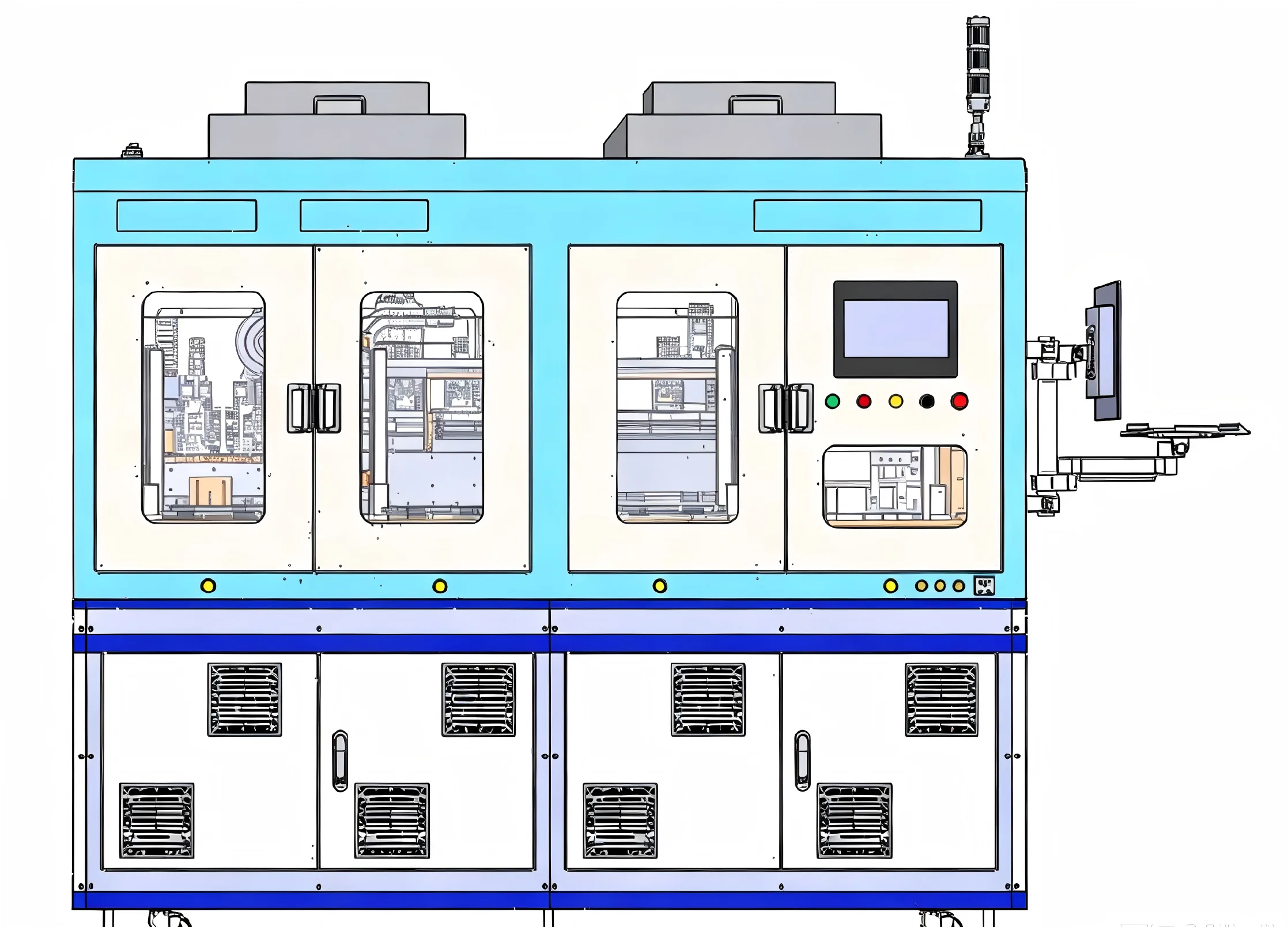
AI lens appearance inspection starts with samples and decision rules. HULK ROBOT combines imaging and visual algorithms for optical lens defect inspection. Capability must be confirmed for the product and defect classes.
Samples should not include only obvious rejects
Include normal parts, typical defects and borderline samples. Label categories, locations and manual decision criteria. Cover the planned specification range, not only easy-to-recognize cases.
Verify stable imaging first
An algorithm change cannot by itself solve a defect that is not consistently visible in an image. Assess imaging, part condition and site conditions before defining recognition and result-output requirements.
Record separate acceptance measures
- Missed defects: unacceptable samples incorrectly released.
- False rejects: acceptable samples incorrectly rejected.
- Repeatability: repeated inspection of the same sample.
- Cycle time: measured under the agreed handling and inspection workflow.
Separate tuning and acceptance samples. Agree in advance on sample counts, defect classes, statistical definitions and handling of exceptions. Do not promise a uniform accuracy or minimum defect size without tests.
See AI visual inspection and existing reference configuration data. Final targets are subject to sample evaluation and the technical agreement.
Explore Products & Applications
Contact HULK ROBOT to discuss equipment capabilities and your application.